-
Supported by

The scientific rationale for climate resilient agriculture is grounded in the urgent need to safeguard food security, rural livelihoods, and ecosystems in the face of increasing climate variability and extreme weather events. Rising global temperatures and shifting rainfall patterns are leading to frequent droughts, floods, heatwaves, and pest outbreaks, which collectively threaten crop yields, disrupt livestock and fisheries, and reduce agricultural incomes—potentially by 15–25 percent in regions like India. Adoption of climate resilient agricultural practices—such as stress-tolerant crop varieties, efficient water and nutrient management, integrated pest control, and conservation of soil organic carbon—not only enables farms to adapt to changing climatic conditions but also enhances productivity and reduces environmental impact. These practices are essential in areas facing water scarcity or extreme events, as they promote agricultural systems that can absorb shocks, recover quickly, and ensure sustainable productivity. Collaboration between stakeholders, integration of new technologies, and blending indigenous knowledge are also crucial for enabling farmers to make informed decisions amid climate uncertainty, supporting achievement of key sustainable development goals such as ending hunger and poverty, and promoting climate action.
Climate resilient agriculture (CRA) enables farmers to maintain or improve yields even under unpredictable weather and climate extremes.
Practices like crop rotation and conservation tillage improve soil fertility and reduce erosion.
Diversified cropping and water management help mitigate droughts and floods.
Drip irrigation and rainwater harvesting promote efficient water usage.
Encourages biodiversity, carbon sequestration, and natural pest control.
Improves resilience and stabilizes farmer income.
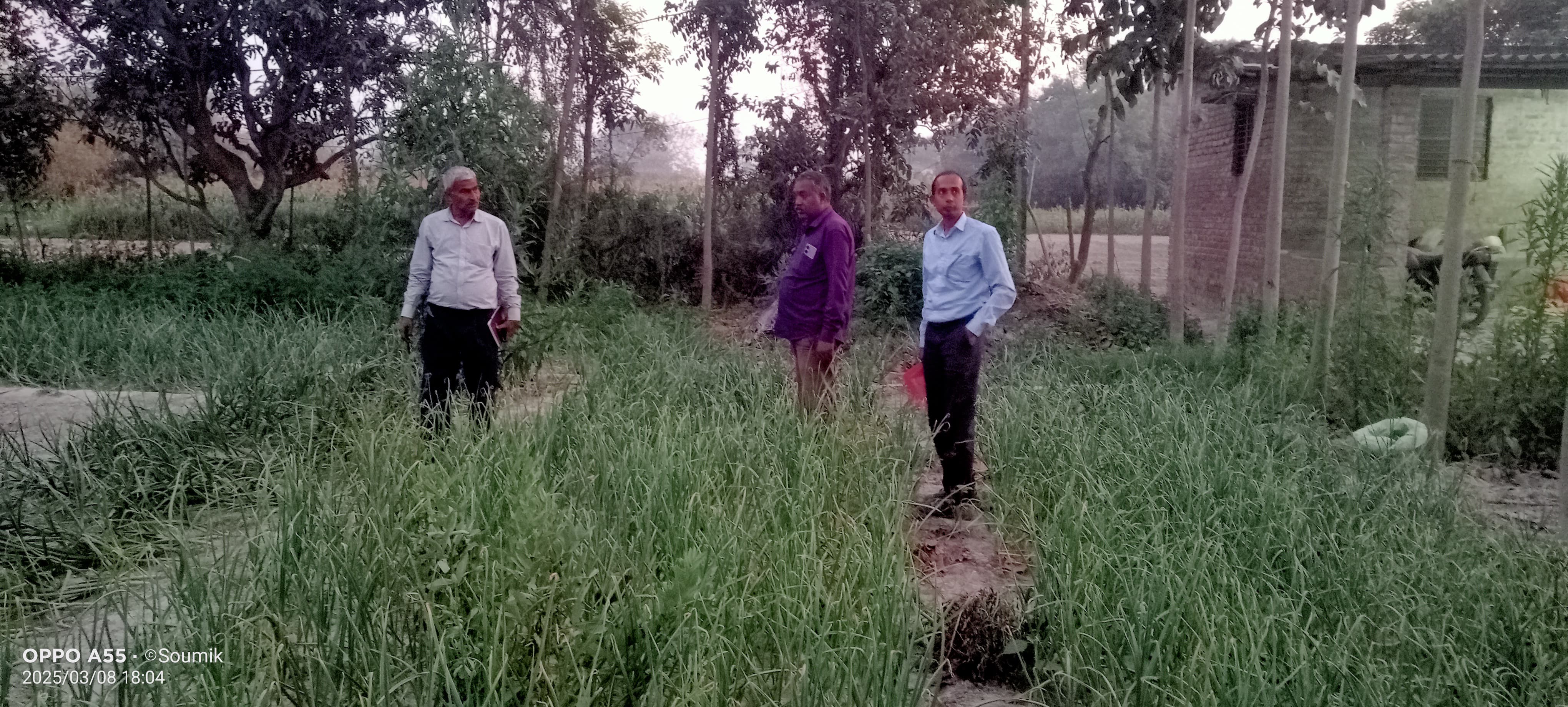
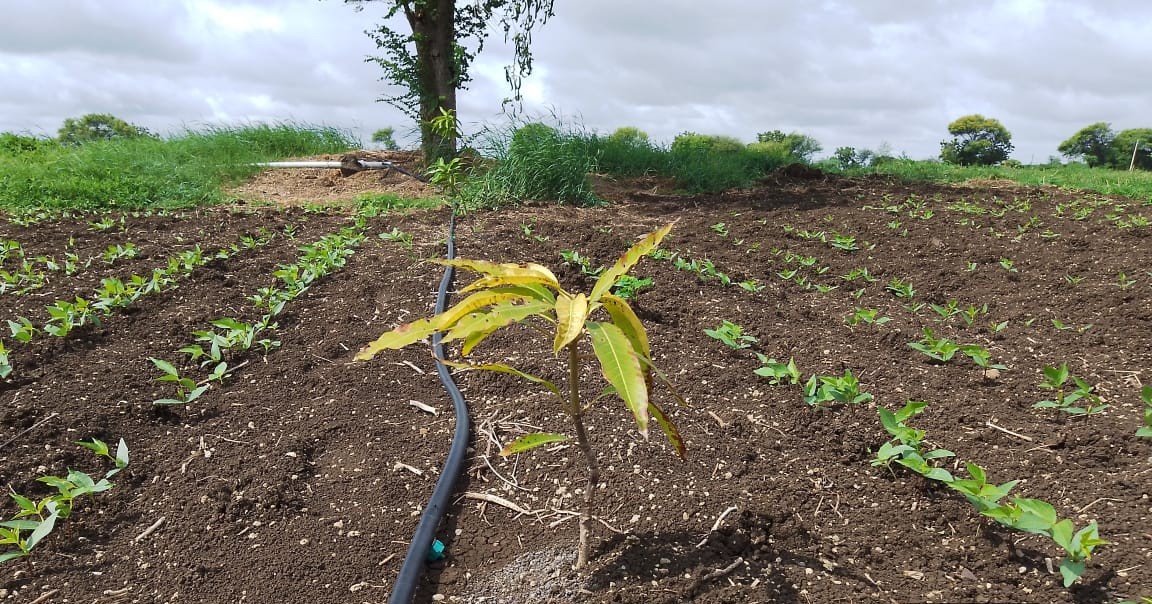
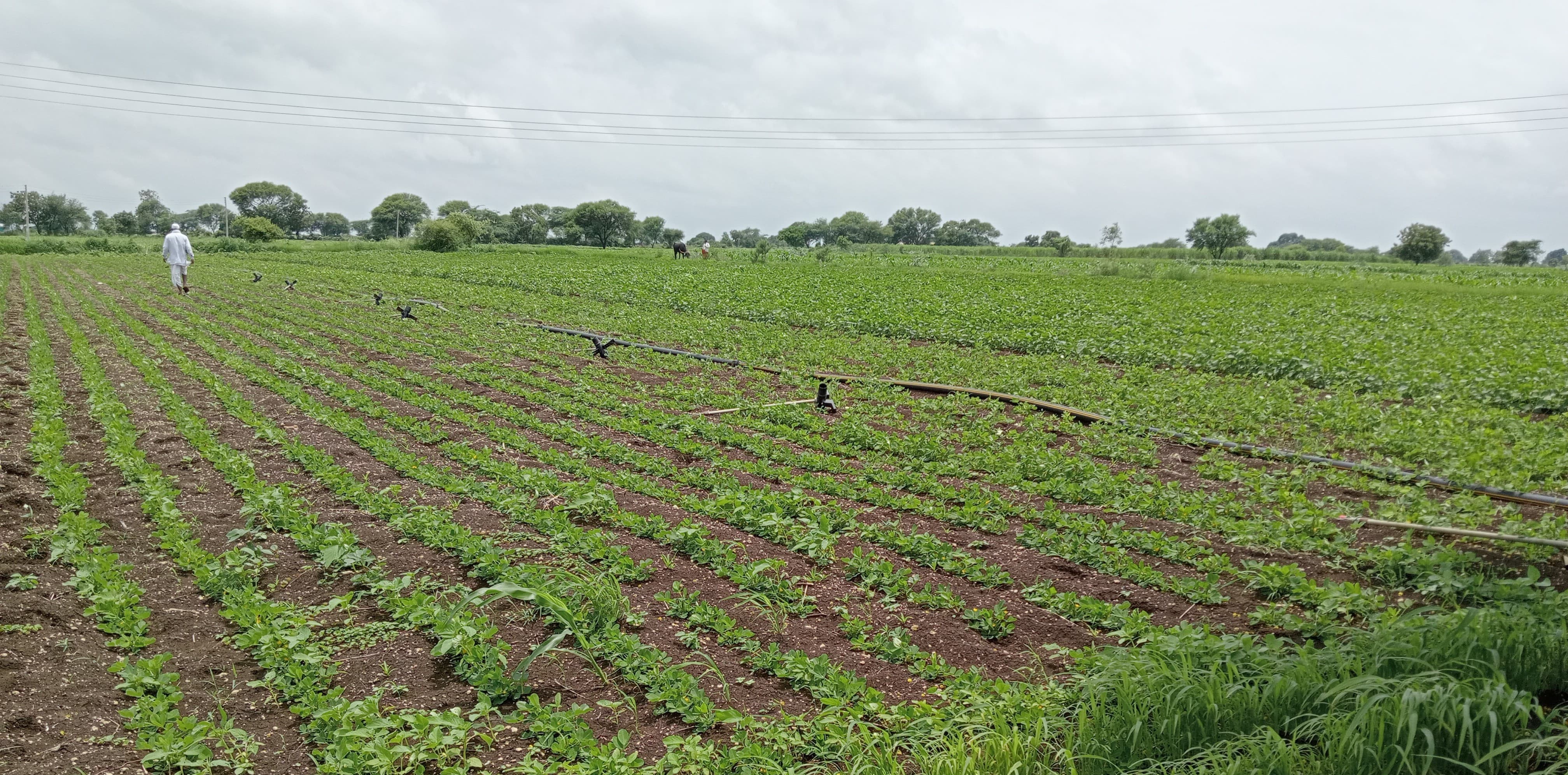
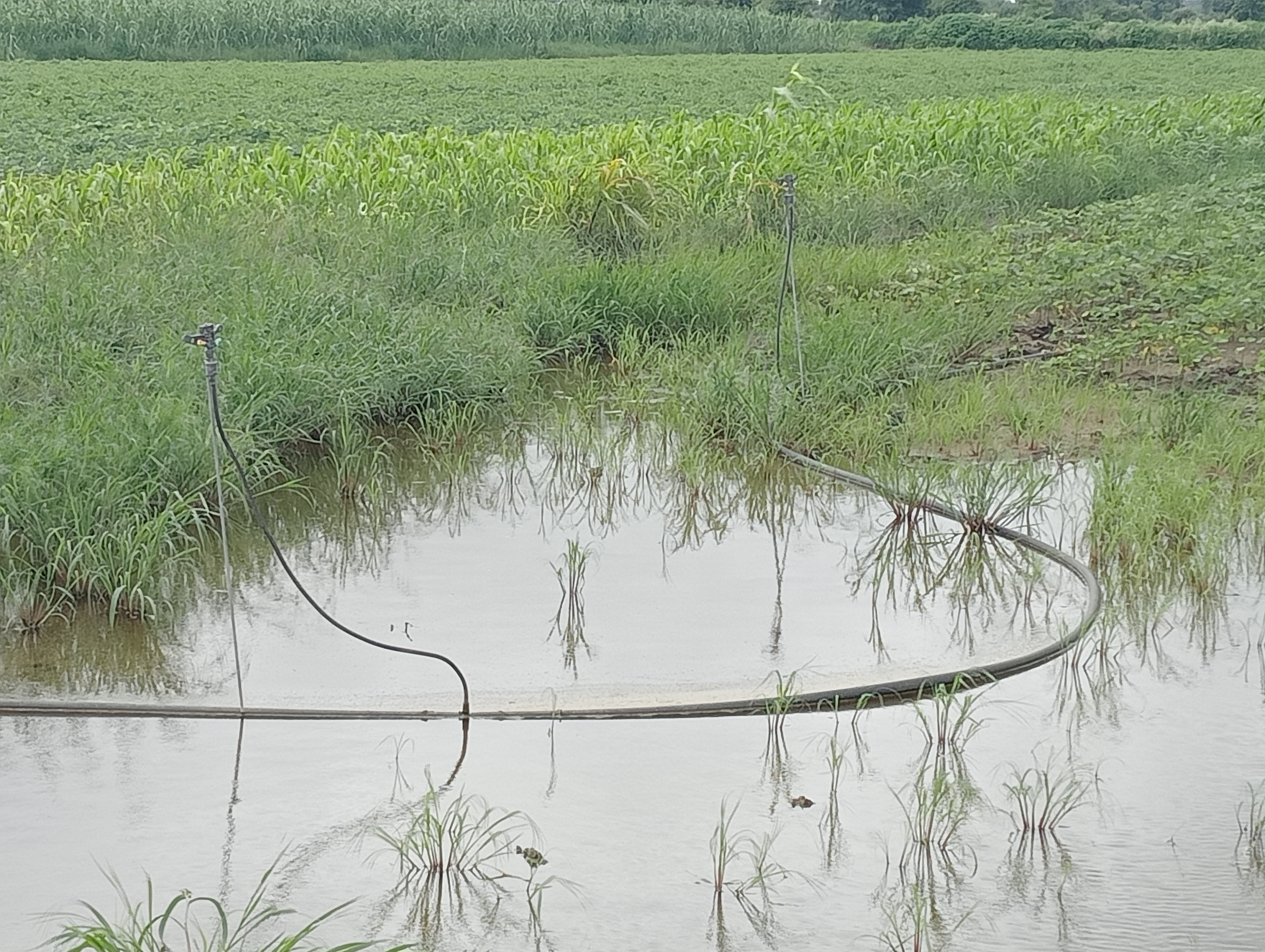
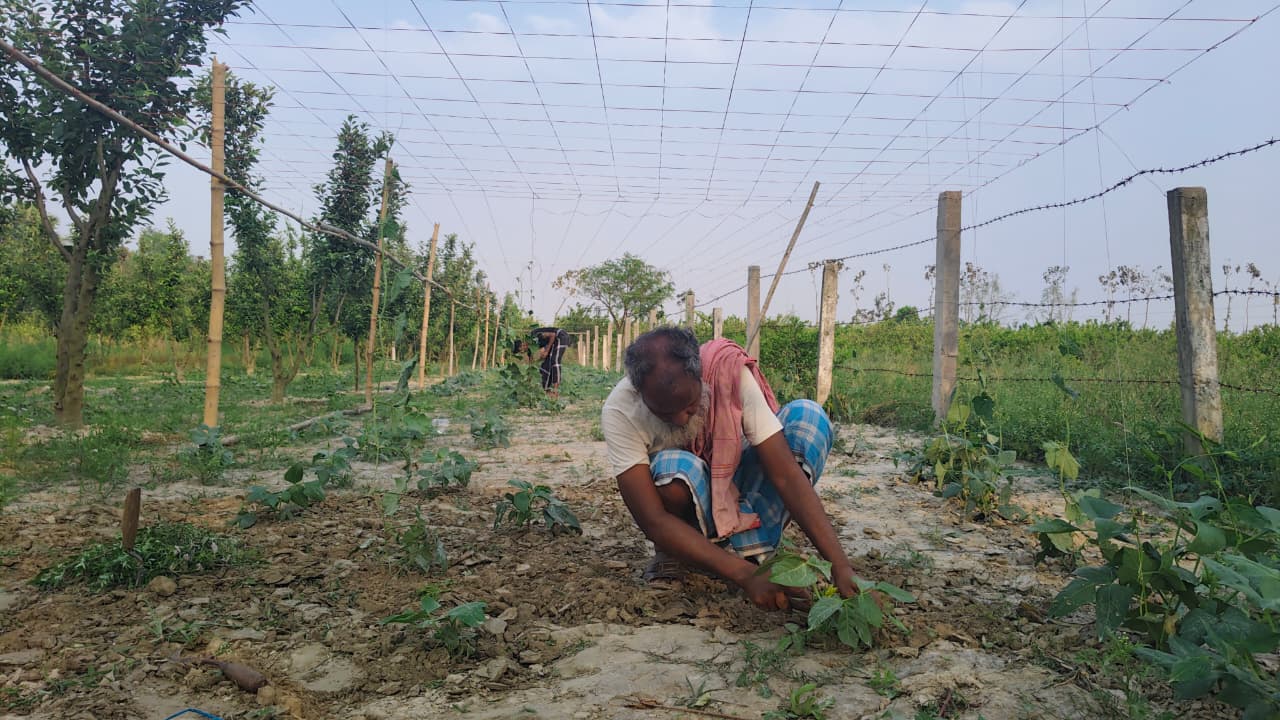
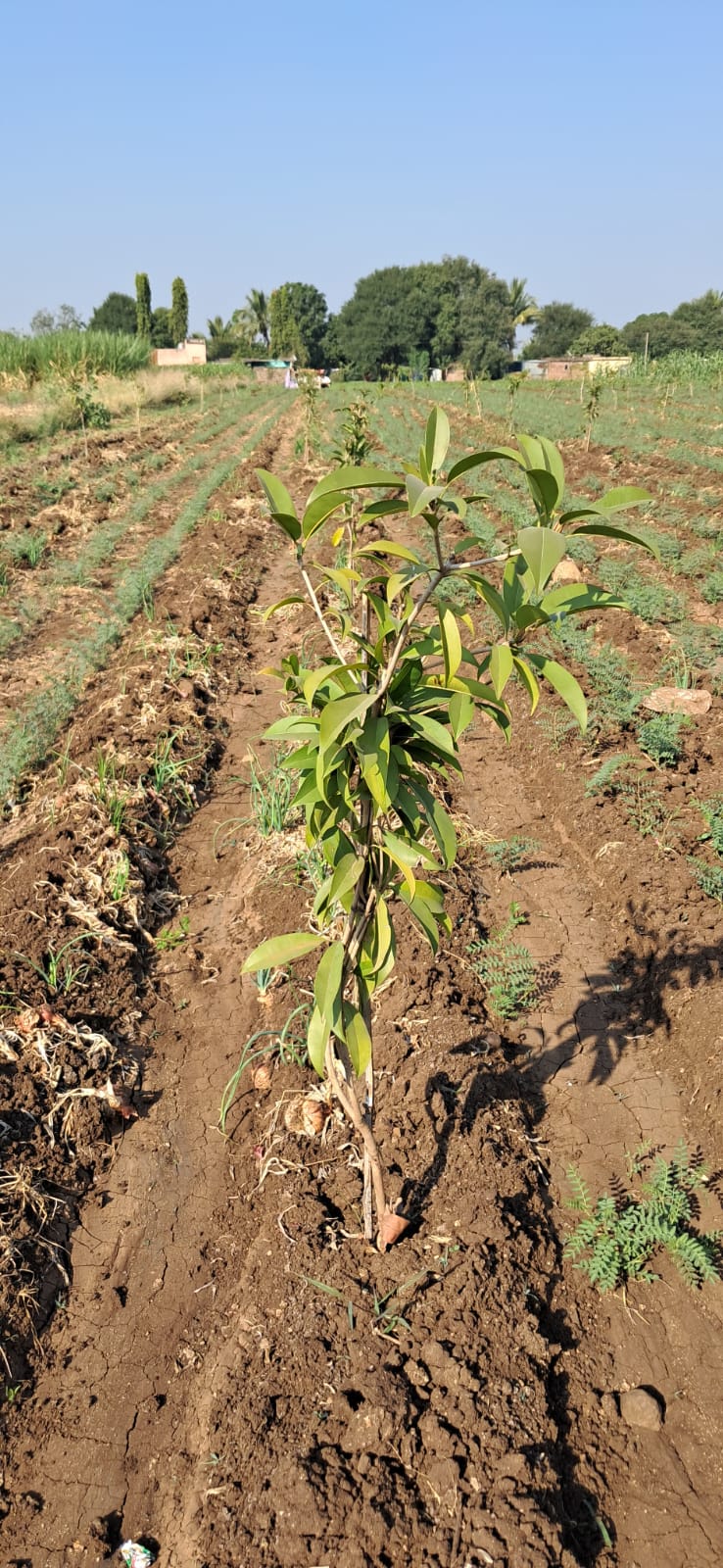
In this project, a range of site-specific, climate-resilient interventions has been introduced to address the distinct challenges of both water-scarce and flood-prone agroecological regions.
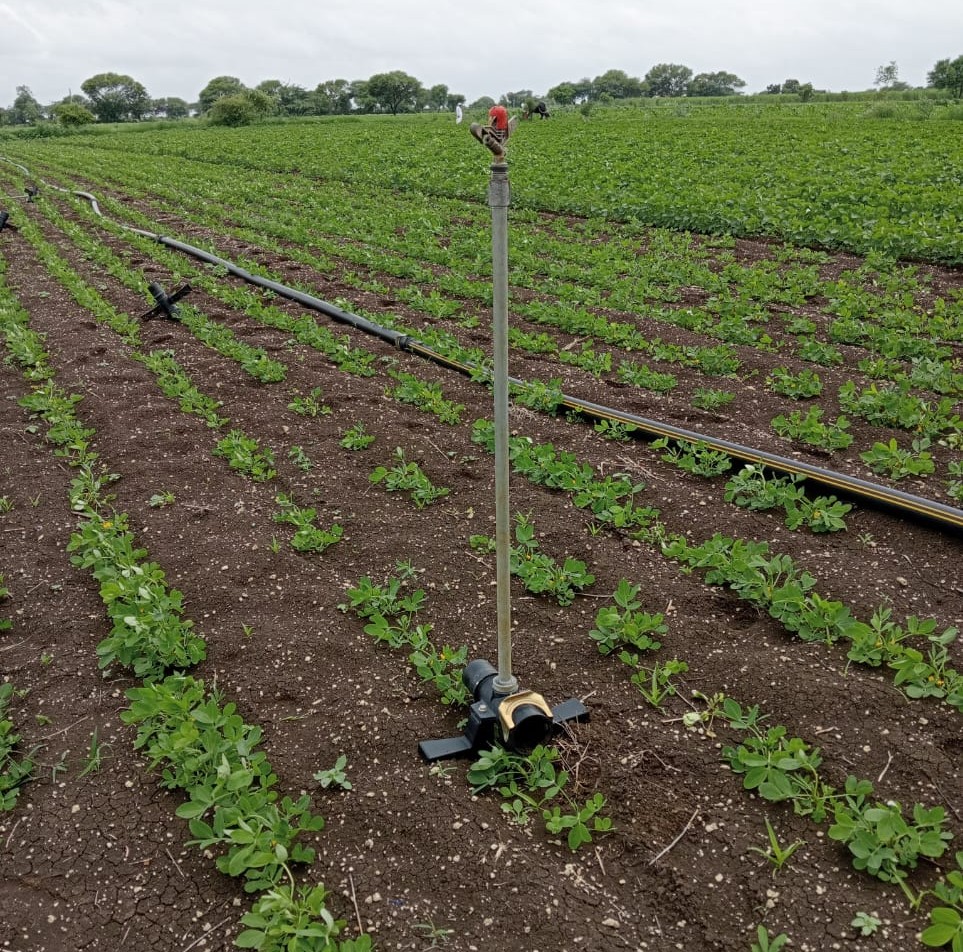
Adoption of integrated water-saving techniques to improve water availability and sustainability in drought-prone areas.
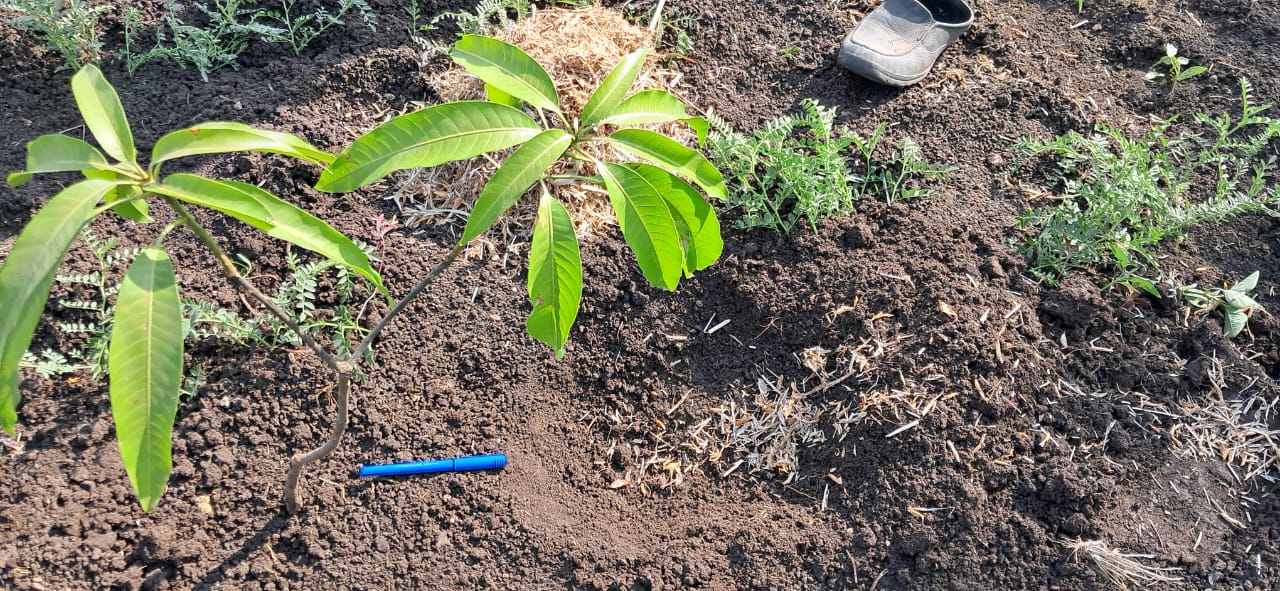
A low-cost, water-conserving planting method that ensures targeted water delivery to plants.
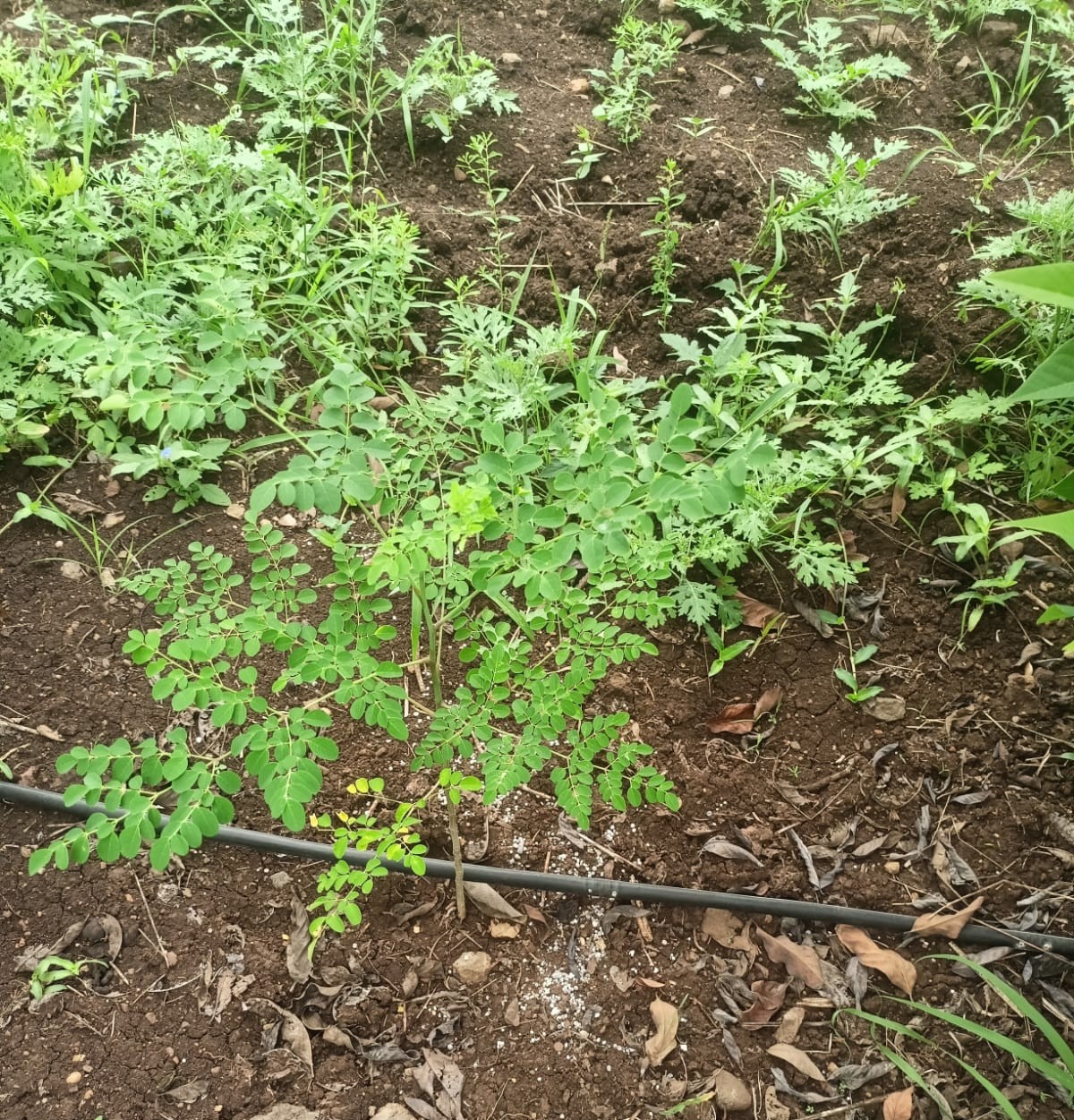
Introduction of drought-tolerant perennial trees and crops to optimize water use.
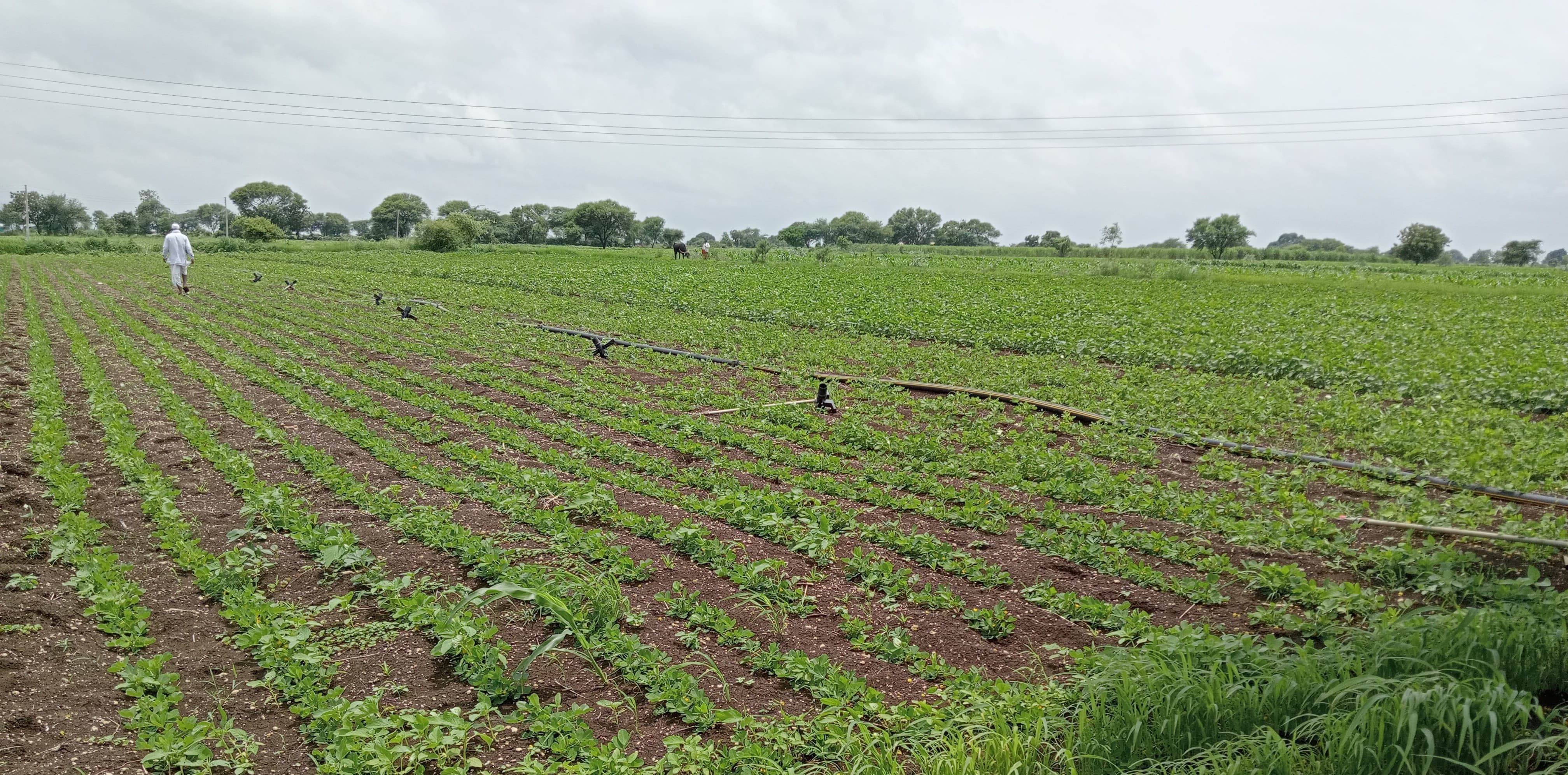
Use of mulching, compost, and biochar to enhance water retention and soil health.
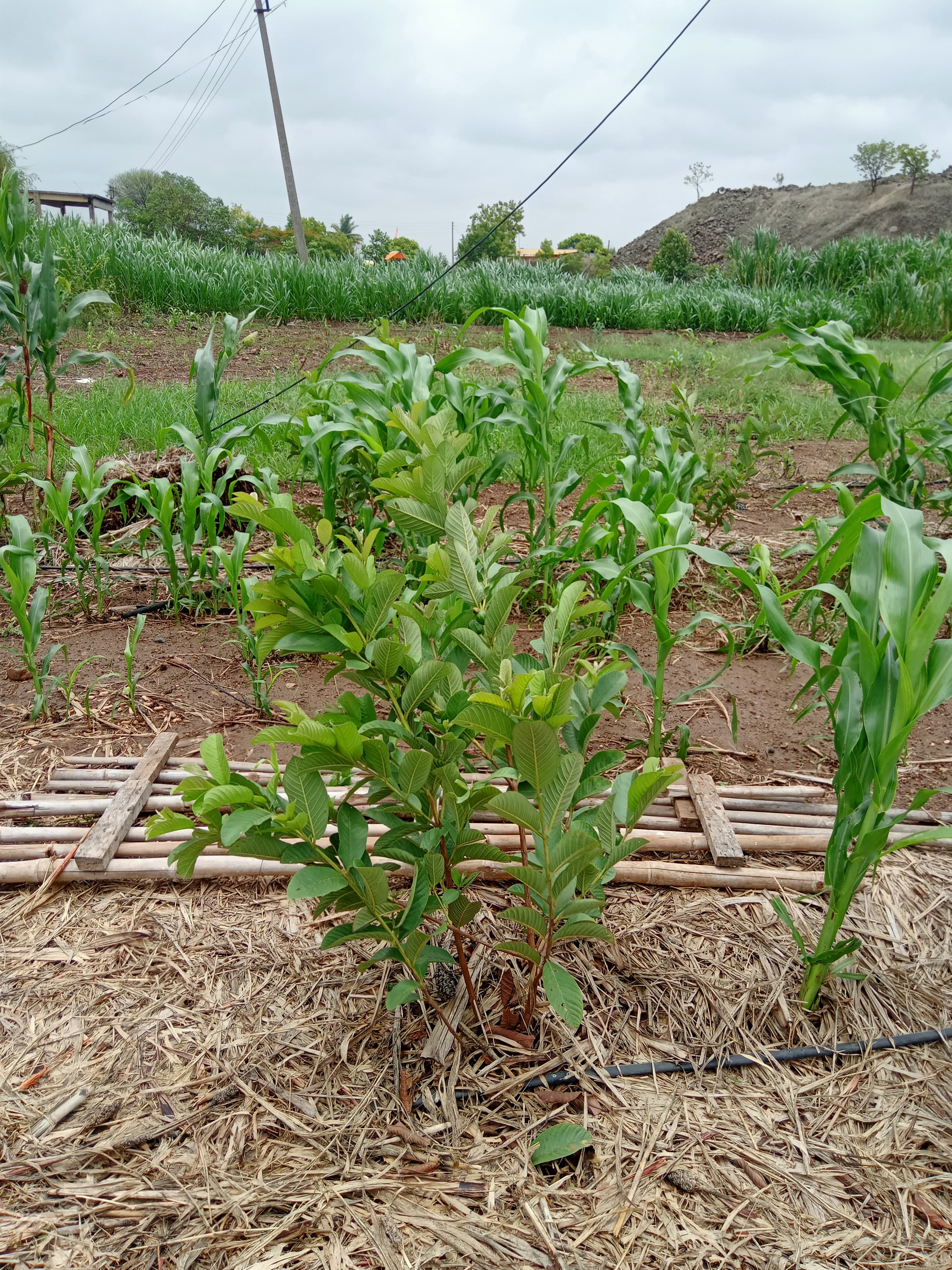
Integrating fruit trees with cereal crops for better resilience and productivity.
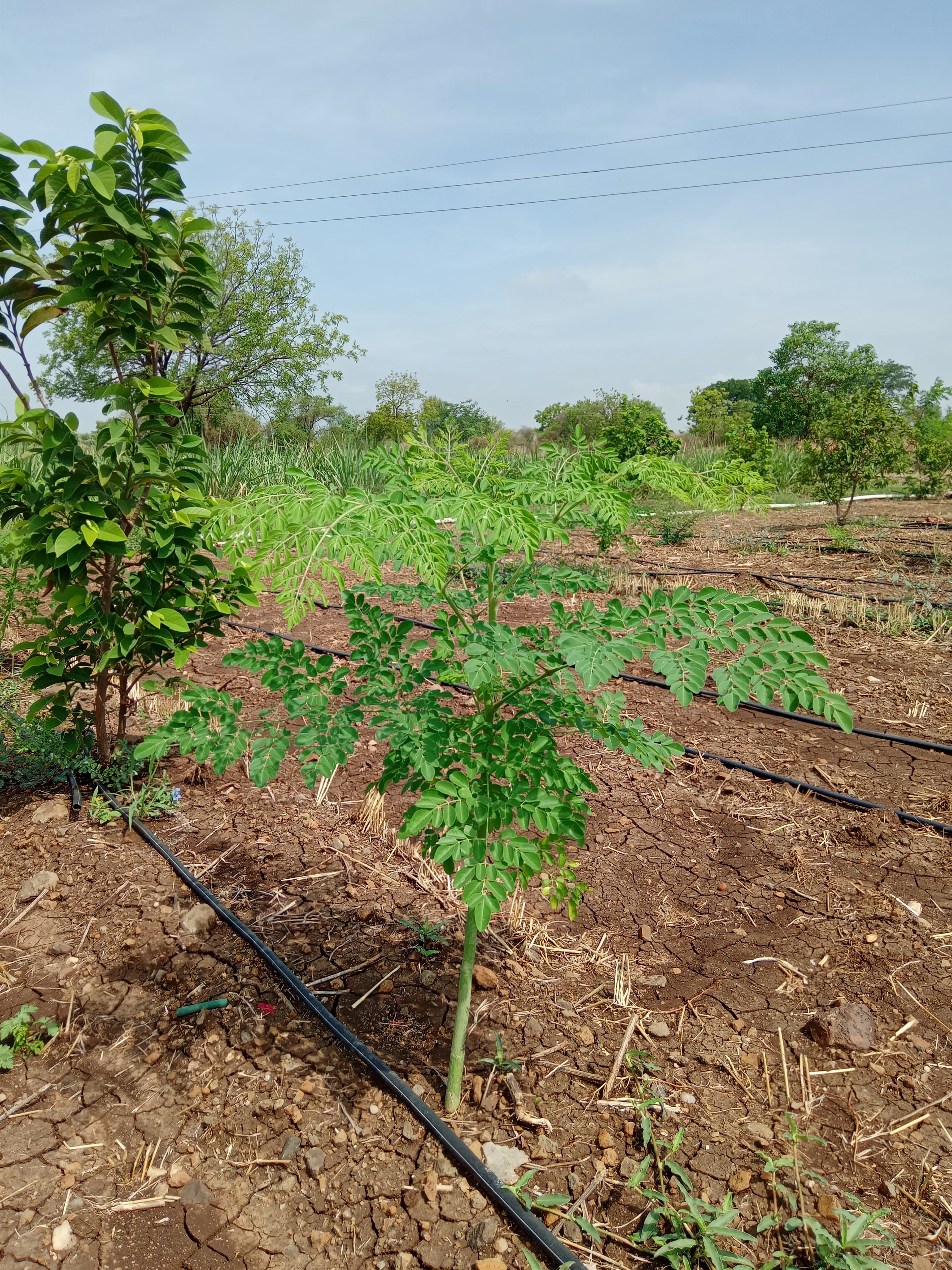
Planting drought-resistant species to improve sustainability and biodiversity.
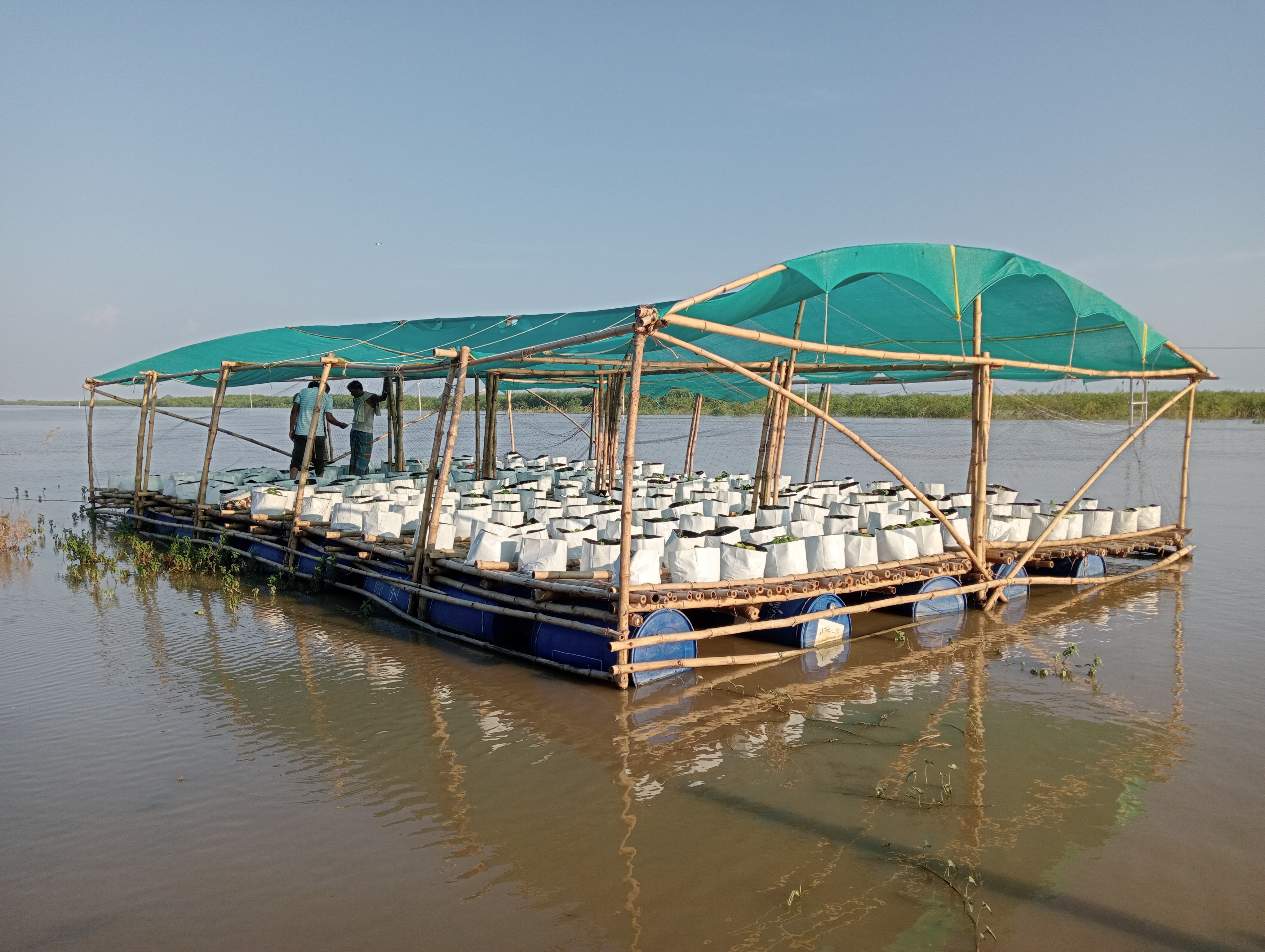
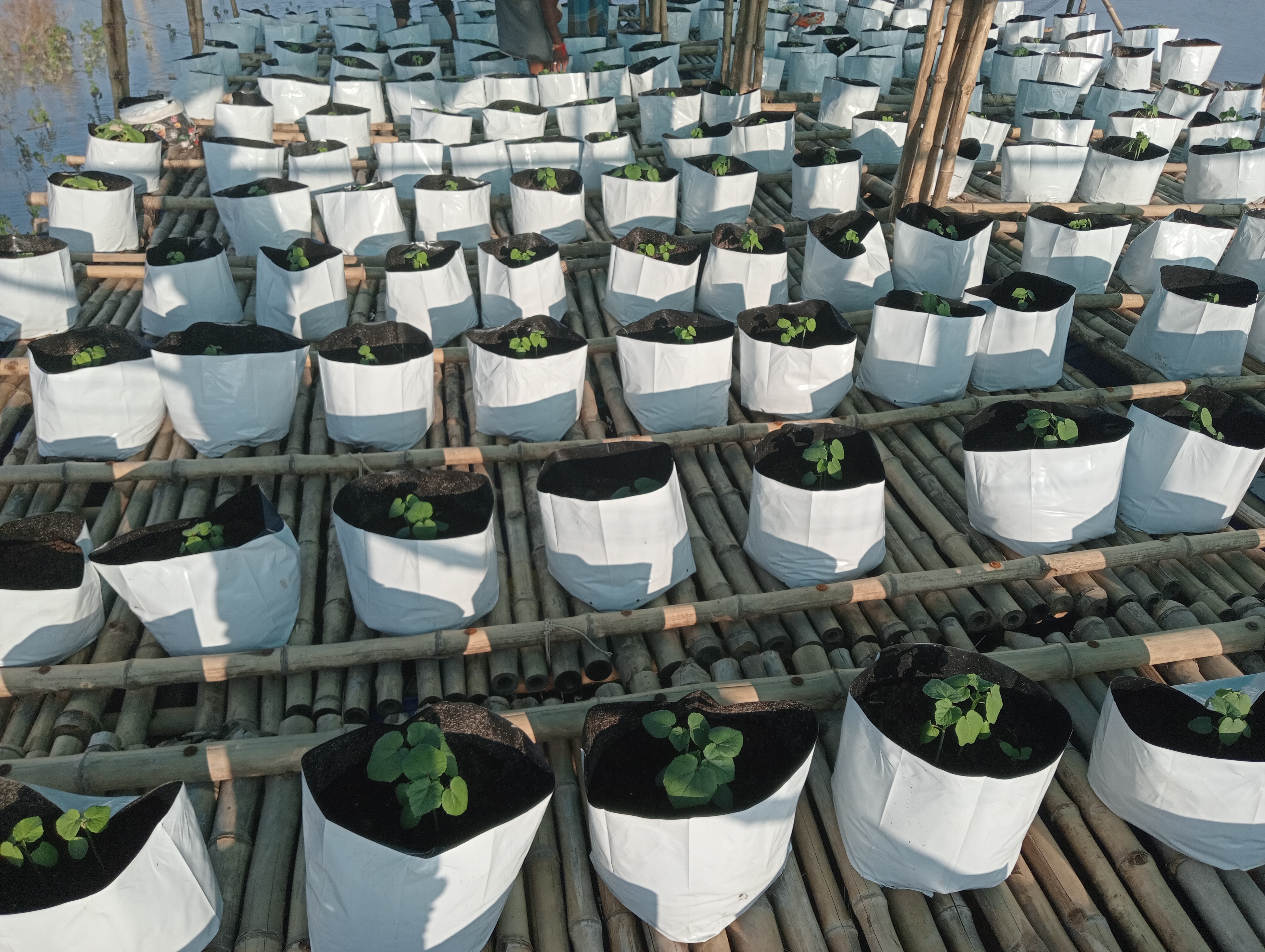
Implementation of floating cultivation platforms using organic matter to enable crop production during months of submergence.
Development of agroforestry systems with flood-resilient tree species combined with seasonal crops.
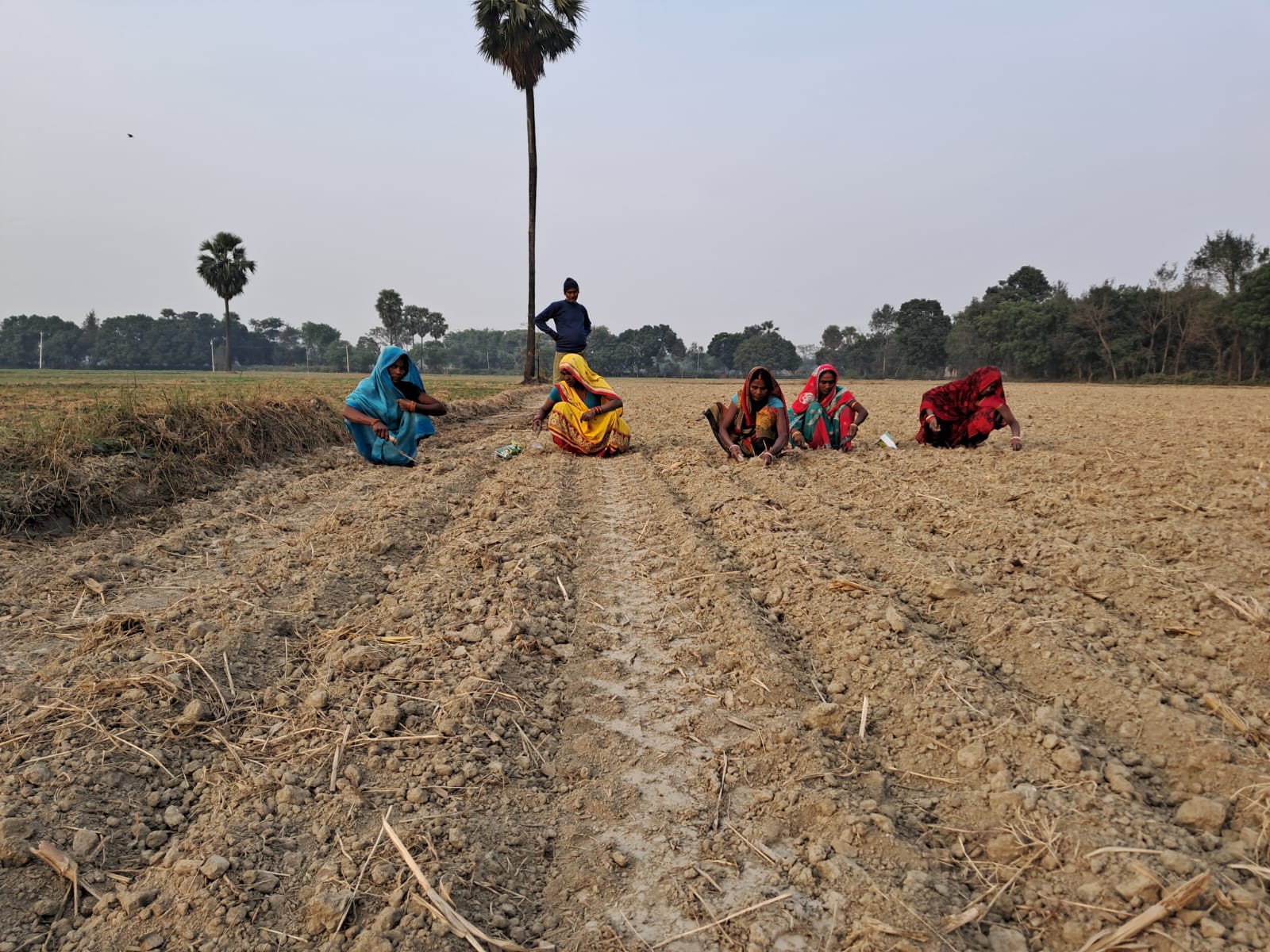
Optimization of crop selection and planting schedules aligned with seasonal flood patterns.
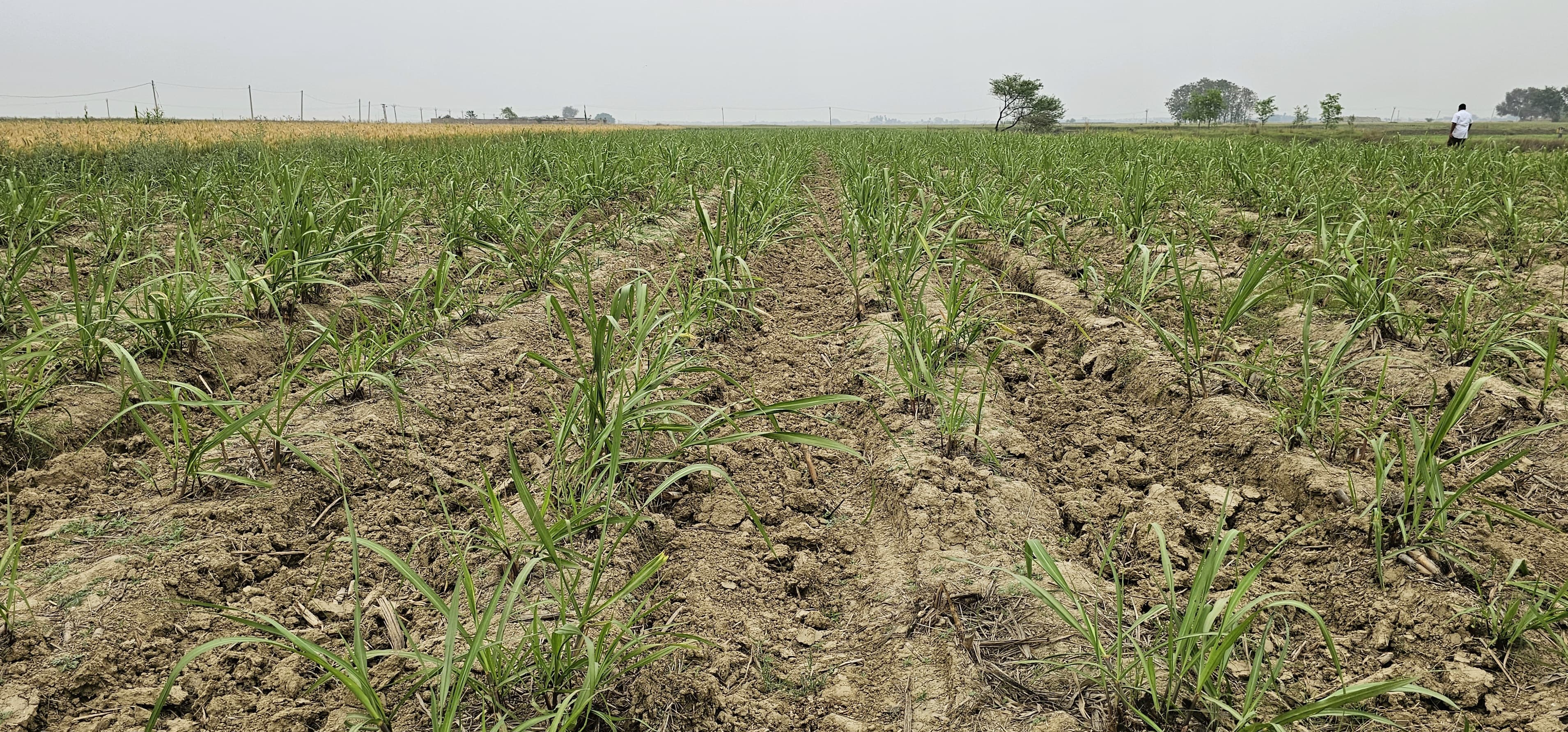
Use of grass strips and contour bunding to reduce waterlogging and soil erosion.
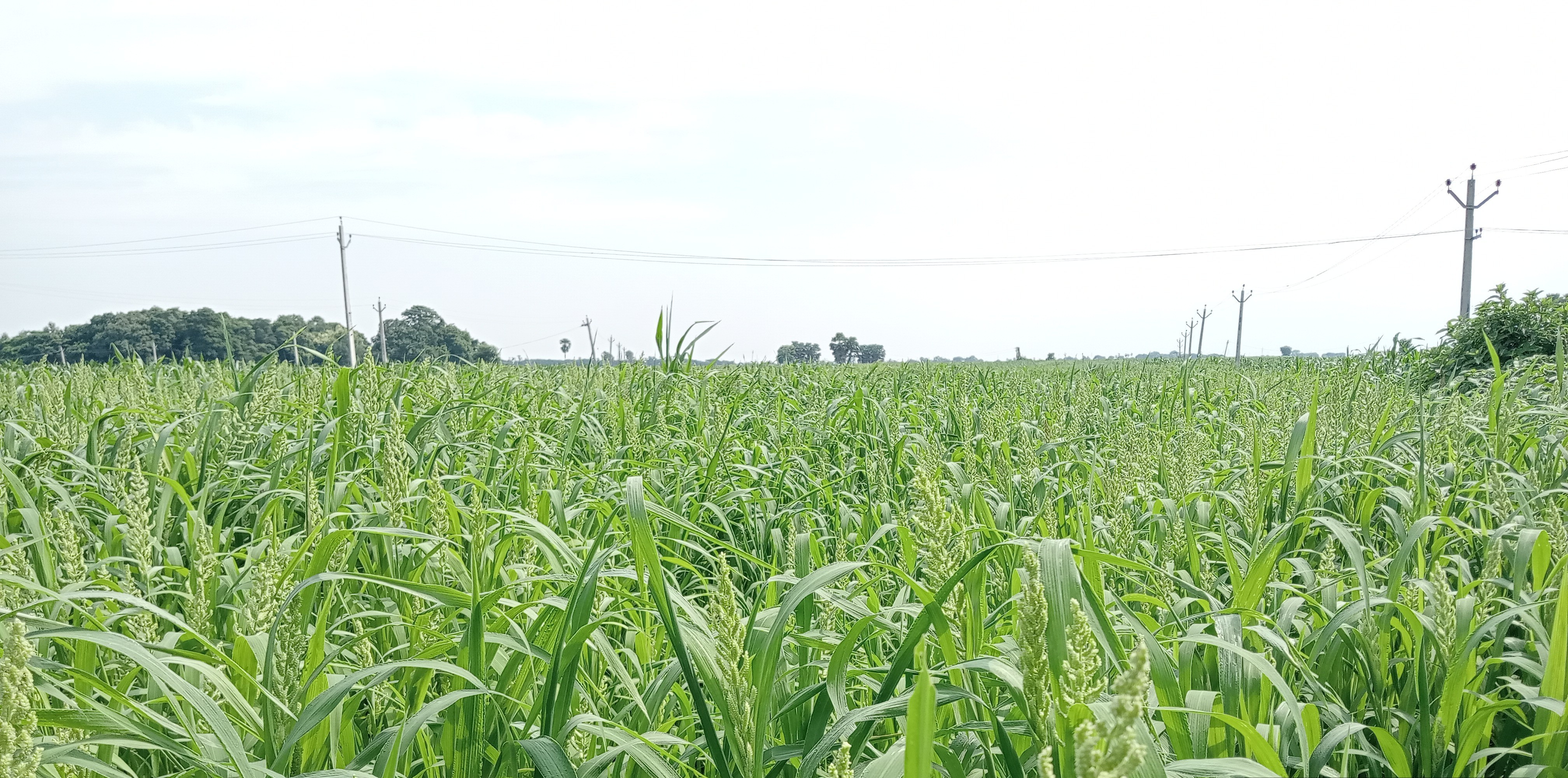
Promotion of indigenous crops and allied activities for resilience against climate events.
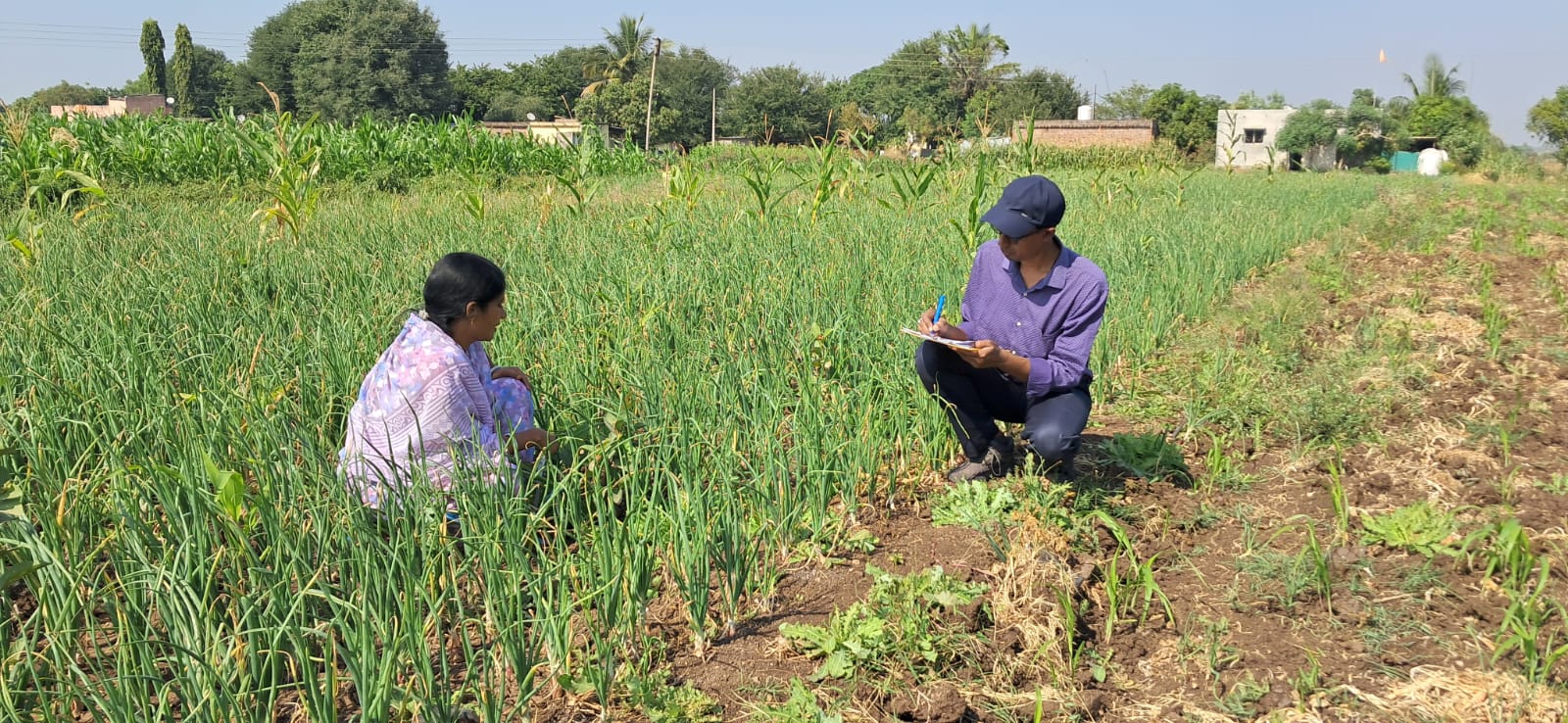
Combining fruit crops with tubers for year-round productivity and income stability.